
Understanding ADA Compliance: A Guide for Property Owners
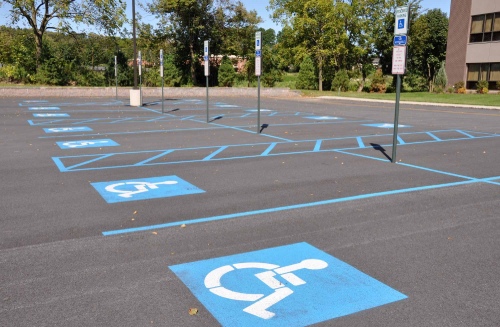
Understanding ADA compliance is a vital responsibility for today’s property owners and businesses. The Americans with Disabilities Act (ADA) requires accessibility in public and commercial spaces to ensure individuals with disabilities have equal access to the same facilities and services as everyone else. While compliance with the ADA is mandated by law, it’s also a commitment to creating inclusive environments for all users.
Whether you’re a landlord, real estate investor, or commercial facility manager, ensuring compliance with the ADA is essential. This guide to ADA compliance breaks down the basics, explains the key requirements, and outlines how to avoid costly penalties and lawsuits—helping you navigate the complexities of ADA compliance with confidence. If you’re working with an asphalt contractor or handling your own facility upgrades, understanding these principles is critical.
What Are the Basics of ADA Compliance?
The Americans with Disabilities Act is a landmark federal law enacted in 1990. It prohibits discrimination against people with disabilities and mandates equal access to public accommodations, employment, transportation, and more. ADA compliance refers to adhering to the accessibility standards outlined in the law, especially those found in the 2010 ADA Standards for Accessible Design.
These standards apply to a wide range of facilities covered by the ADA, including commercial buildings, retail spaces, and areas of rental properties that are open to the public. ADA compliance includes things like ensuring accessible entrances, bathrooms with grab bars, properly designed parking spaces, and barrier-free paths of travel.
For property owners and businesses, complying with ADA standards protects you from lawsuits, improves customer satisfaction, and ensures accessibility for users with disabilities.
What Is ADA Compliance in Real Estate?
ADA compliance in real estate focuses on accessibility in public-facing areas of rental properties, commercial buildings, and real estate offices. While the ADA generally doesn’t apply to private residential units, it does apply to leasing offices, shared amenities, and any areas that are considered places of public accommodation.
For example, a leasing office must be accessible to individuals with disabilities, with properly graded pathways, accessible doorways, and parking areas that meet specific design standards. ADA regulations also overlap with the Fair Housing Act, which requires property owners to make reasonable modifications for tenants with disabilities.
In California, state and local laws such as the California Building Code and the Unruh Civil Rights Act expand accessibility requirements even further. These rules help ensure accessibility in all aspects of rental and commercial property management.
What Is the 20% Rule for Accessibility?
The 20% rule for accessibility, part of ADA Title III, applies when a property undergoes alterations or renovations. If making a building fully accessible is not feasible due to cost, property owners are still required to spend at least 20% of the total renovation budget on improving accessibility.
For example, if you’re remodeling a retail unit and the project costs $150,000, then a minimum of $30,000 must be allocated toward removing barriers and improving accessibility features. These features could include widening doorways, installing ramps, modifying restroom layouts, or upgrading signage.
This rule allows property owners to meet ADA requirements gradually while prioritizing the most significant accessibility issues.
Where Can I Find ADA Guidelines?
For those looking to meet accessibility standards, the best place to start is with the 2010 ADA Standards for Accessible Design, published by the Department of Justice. These standards provide clear technical specifications for door widths, ramp slopes, restroom layout, and more.
Other reliable sources include:
- The ADA National Network, offering free training and technical assistance.
- The American National Standards Institute, which develops model building codes that include accessibility provisions.
- Web Content Accessibility Guidelines (WCAG) for website accessibility.
These resources help property owners and professionals navigate the complexities of ADA and understand their responsibilities under the ADA.
Common Accessibility Issues That Lead to Non-Compliance
ADA compliance issues often stem from small oversights that create barriers for people with disabilities. These barriers can lead to complaints, legal action, and damage to your business’s reputation.
Examples of common compliance issues include:
- Parking lots without the correct number of accessible parking spaces or faded signage
- Inadequate slope or width on ramps and walkways
- Restrooms lacking proper grab bars or maneuvering space
- Obstructed pathways leading to building entrances
- Doors or corridors that are too narrow for wheelchairs
Property owners should regularly inspect their facilities using an ADA compliance checklist to identify and correct these accessibility issues.
Why ADA Compliance Is Essential for Real Property Owners
Compliance with the ADA isn’t just about legal requirements. It has a direct impact on tenant satisfaction, business reputation, and overall property value. Benefits of ADA compliance include:
- Legal protection from costly ADA lawsuits
- Broader appeal to potential tenants or customers
- Improved usability of spaces for all users
- Enhanced community standing as an inclusive and responsible business
Prioritizing accessibility also supports aging populations and individuals with temporary disabilities, ensuring equal access for everyone.
Assessing Your Property for ADA Compliance
To ensure compliance with the ADA, start with a property-wide accessibility audit. This audit evaluates your building and exterior areas for potential barriers that prevent access for individuals with disabilities.
Key features to assess include:
- Entryways and door thresholds
- Ramps, handrails, and walkways
- Restroom layout and signage
- Accessible parking and striping
- Communication systems and lighting
If you’re unsure where to begin, consider hiring a qualified consultant to perform the audit and provide actionable recommendations.
Maintaining Ongoing Compliance
ADA compliance is not a one-time project. Property owners must establish systems to maintain accessibility features and remain up to date with evolving laws and standards.
Steps to maintain ongoing compliance:
- Conduct regular inspections of accessible features
- Re-stripe and re-sign parking areas as needed
- Respond quickly to tenant accommodation requests
- Work with qualified contractors to make modifications when necessary
If you’re working with an asphalt contractor, make sure they understand the technical requirements for ADA-compliant parking spaces, such as slope, striping dimensions, and access aisles.
ADA Compliance in Outdoor and Paved Areas
Your property’s outdoor areas must also meet ADA guidelines. This includes paved areas such as sidewalks, ramps, pathways, and parking lots. These areas are especially important for providing access from public rights-of-way into the building.
Working with a trusted paving company like First Class Paving ensures these areas are properly graded, paved, and striped according to ADA standards. We help property owners upgrade their outdoor spaces to comply with the ADA while improving overall property function and aesthetics.
Call First Class Paving to Ensure ADA Compliance
Understanding ADA compliance: a guide for property owners is your starting point for creating spaces that are inclusive, legally protected, and accessible to individuals with disabilities. Whether you manage a retail storefront, an apartment complex, or a business facility, ADA compliance is essential.
At First Class Paving, we specialize in ADA-compliant paving solutions, including accessible parking lots, ramps, and walkways. We help you meet the requirements of the ADA with professional-grade paving services that align with federal and state design standards.
To schedule a free consultation or ADA compliance audit, contact us today at (707) 377-2114. Let our experts help you navigate ADA compliance and build a property that welcomes everyone.